European Council modifies the EC proposal for MDR Delay
Few changes made and… review by Parliament announced on APRIL 16th!
On April 7, 2020 the Presidency of Council of the European Union (EU) examined the European Commission (EC) proposal for MDR delayed application, including the urgent measures regarding devices needed to fight Covid-19.
The proposed delay of the MDR application for one year, with a new deadline set on 26 March 2021, will grant manufacturers extra time to prepare for the stricter MDR requirements. It will also take the pressure off national authorities, notified bodies, manufacturers and other actors so they can focus fully on urgent priorities related to the coronavirus crisis. In addition, devices lawfully placed on the market pursuant to Directives 90/385/EEC and 93/42/EEC prior to 26 May 2021, may continue to be made available on the market or put into service until 26 May 2025. This is intended to guarantee the continued availability of products and avoid the expected withdrawal from the market of many products due to a lack of MDR readiness.
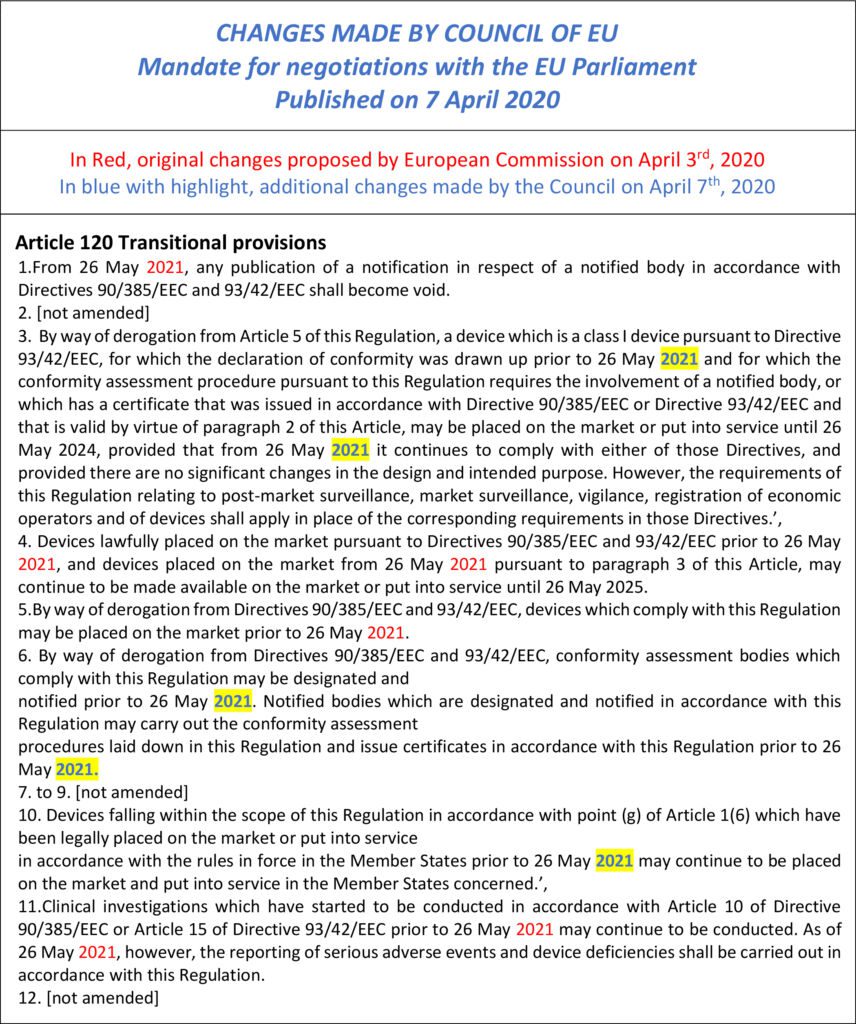
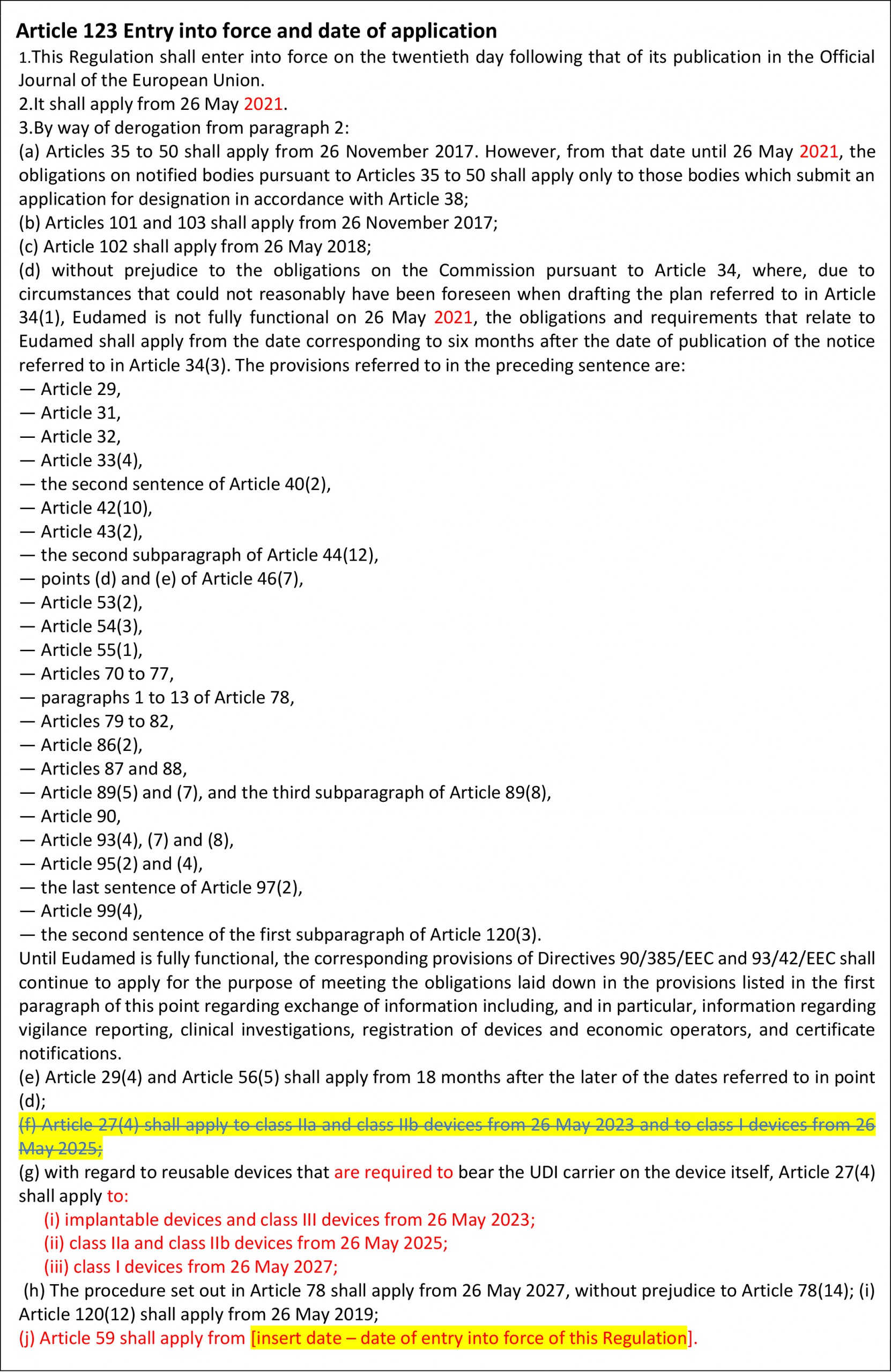
WHAT ELSE HAS CHANGED? The Council has introduced few corrections and technical changes in Articles 120 and 123: discover all changes in the table below.
WHAT HAPPENS NOW? The European Parliament is expected to vote this proposal at its plenary on April 16th
WHAT WILL HAPPEN NEXT?: If EP agrees, the Council will be invited to immediately approve the EP position and not to apply the standard 8-week period for scrutiny by National Parliaments (due to the urgent nature of the changes).
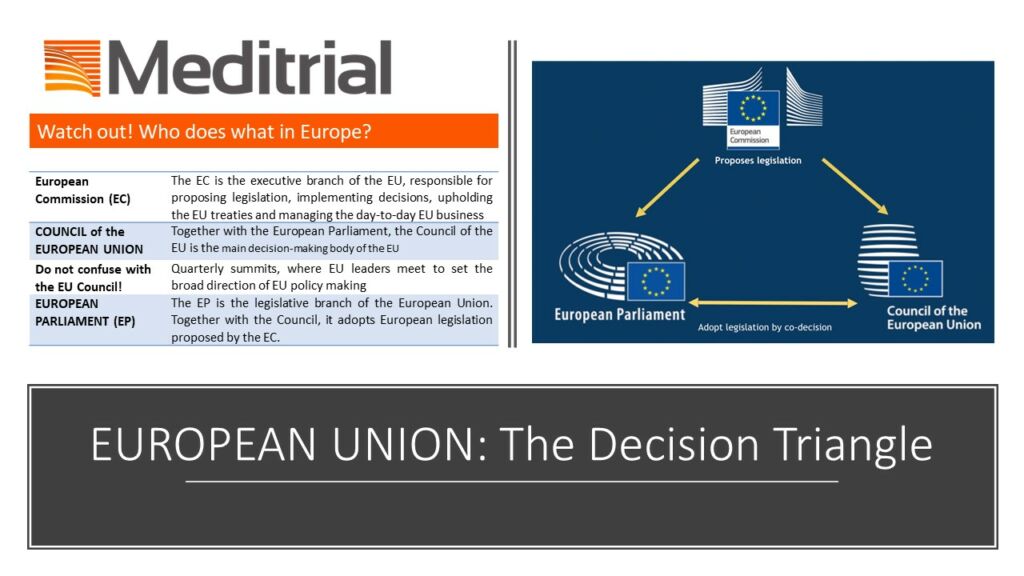
Decision-making in the European Union: how does it work?
To understand the process of MDR amendment, I have provided clarifications on the main actors: European Commission, Council of the European Union and European Parliament.
WHAT WAS ACCEPTED BY THE COUNCIL WITHOUT CHANGE?
The European Commission initially proposed the MDR amendments on April 3rd. Most of the these original amendments were accepted by the Council without change. Read the original changes at this link. The Council accepted most of the proposed changes; in fact, no additional changes were made to the following articles:
- Article 1 Subject matter and scope
- Article 17 Single-use devices and their reprocessing
- Article 34 Functionality of Eudamed
- Article 59 Derogation from the conformity assessment procedures
- Article 113 Penalties
- Article 122 Repeal
- Annex IX Conformity Assessment based on a Quality Management System and on assessment of Technical Documentation, Point 5.1 Assessment procedure for certain class III and class IIb devices
WHAT ARE THE LATEST CORRECTIONS MADE BY THE COUNCIL?
The Council made some changes to Article 120 Transitional provisions, and Article 123 Entry into force and date of application.
SPOT THE LATEST CHANGES TO EU COMMISSION PROPOSAL
Contact Meditrial for MDR transition support and advice, European Representative services and more.

Table of Contents

Build a Defensible Clinical Evidence Strategy Under EU MDR
Build a defensible clinical evidence strategy under MDR Annex XIV, from the clinical evaluation plan to PMCF and notified body review.
Getting a CE mark for medical devices: a step-by-step guide
Practical guidance on the CE mark for medical devices under EU MDR, from classification and evidence to conformity assessment and EUDAMED
A Practical RBQM Framework for Medical Device Trials
Risk-based quality management for medical device trials, with practical actions for risk assessment, monitoring, data review, and trial oversight
EU Breakthrough Medical Devices Under MDCG 2025-9 (BtX)
EU breakthrough medical devices gain a clearer regulatory pathway under MDCG 2025-9, with early advice and lifecycle evidence planning
What Swissmedic Fast-Track Means for Clinical Trial Sponsors
Swissmedic swissethics Fast-Track Pilot Project accelerates eligible trial reviews and makes coordinated regulatory preparation increasingly important.
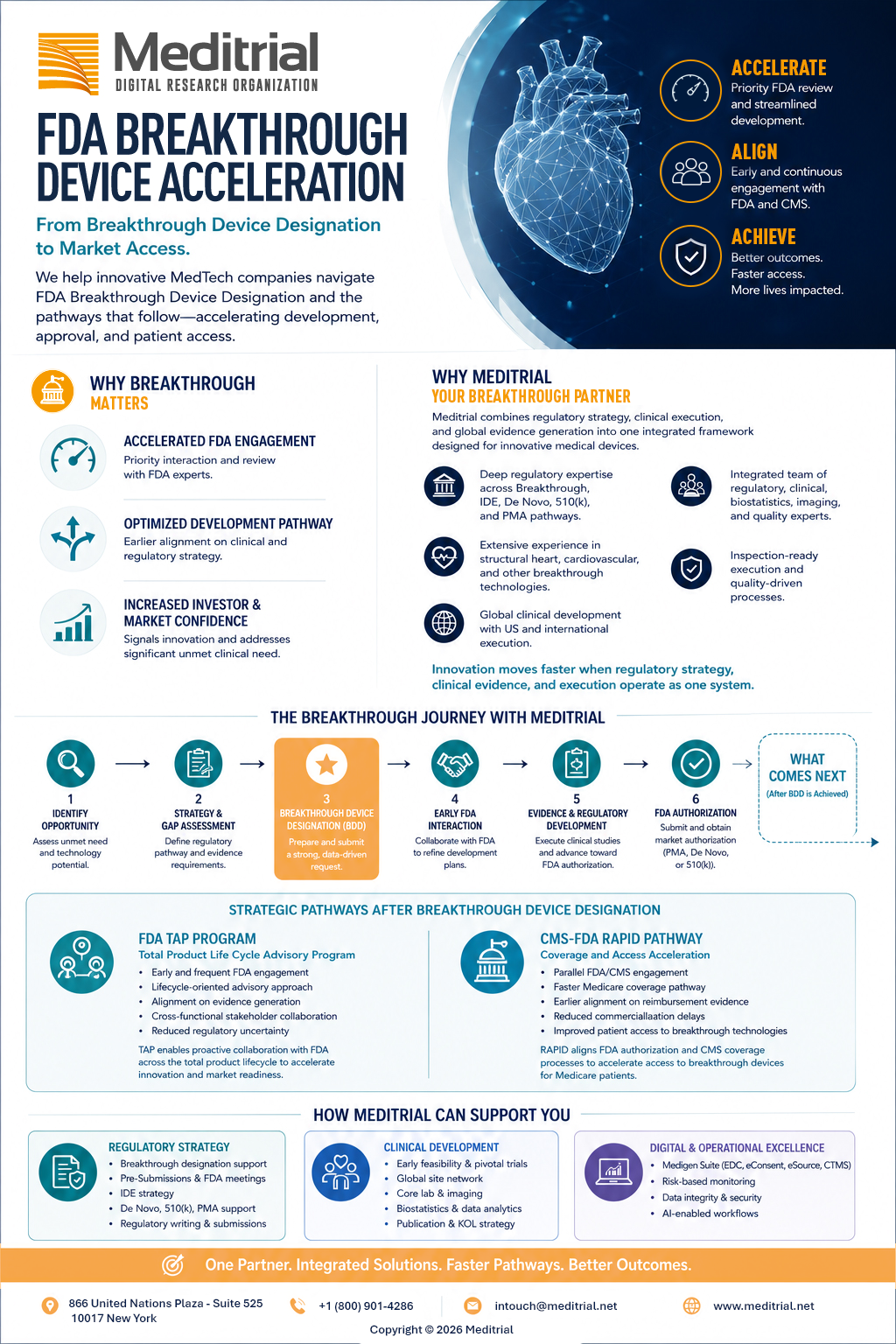
FDA Breakthrough Device Acceleration
How innovative MedTech companies can accelerate FDA approval, secure Medicare coverage, and reach patients faster—starting with Breakthrough Device Designation.
This article provides general information and does not constitute regulatory or legal advice. Requirements should be confirmed for the specific study, applicable regulatory framework, and markets concerned.