EU: MDCG issues guidance on harmonised administrative practices and alternative technical solutions until EUDAMED is fully functional
The MDCG issued a new guidance “to Member States and other relevant parties on the application of certain MDR provisions during the absence of EUDAMED. To that end, this guidance intends to describe harmonised administrative practices and alternative technical solutions for the exchange of information until EUDAMED becomes fully functional.”
“The proposed practices and solutions aim to enable Member States and other relevant parties to meet their obligations under the MDR effectively while minimising any potential additional burden on the parties concerned.”
Registration is now open to Economic Operators!
Do you know how to register for EUDAMED?
Contact Meditrial to learn everything you need to know on how to prepare! With us, you will be the first to comply.
For more details, please see the guidance from the MDCG.
Contact Meditrial for immediate assistance in Europe or the US.
Table of Contents
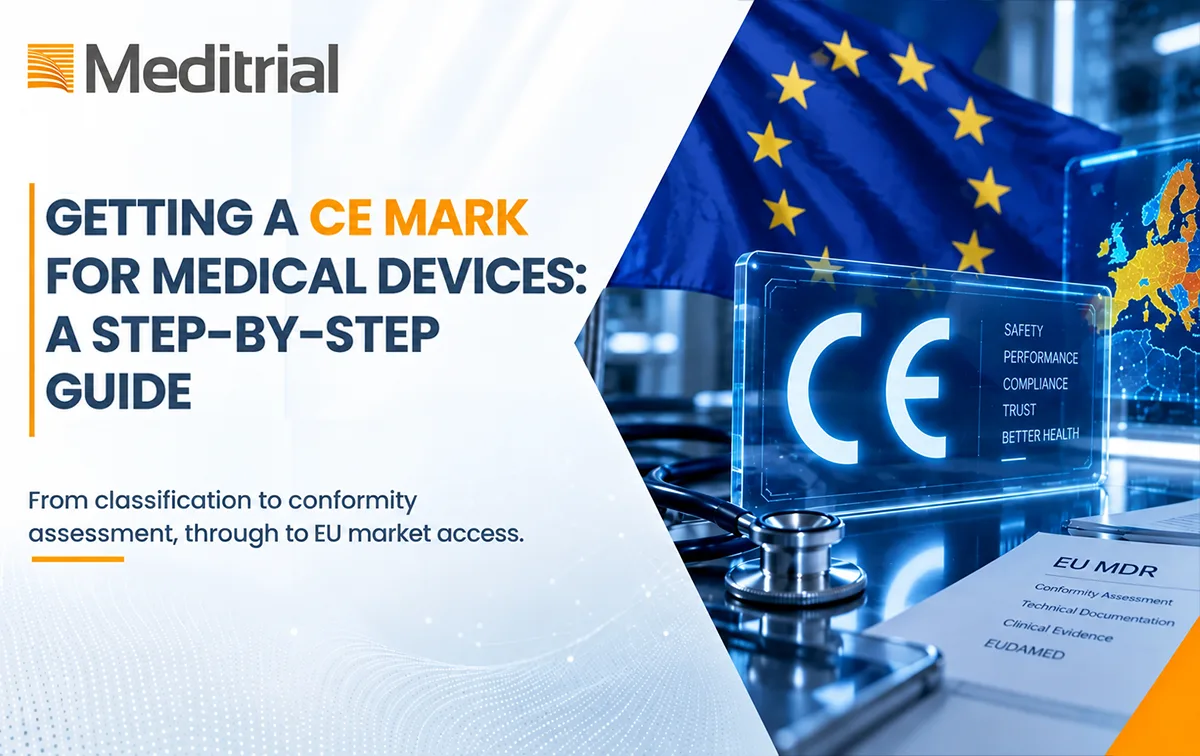
Getting a CE mark for medical devices: a step-by-step guide
Practical guidance on the CE mark for medical devices under EU MDR, from classification and evidence to conformity assessment and EUDAMED
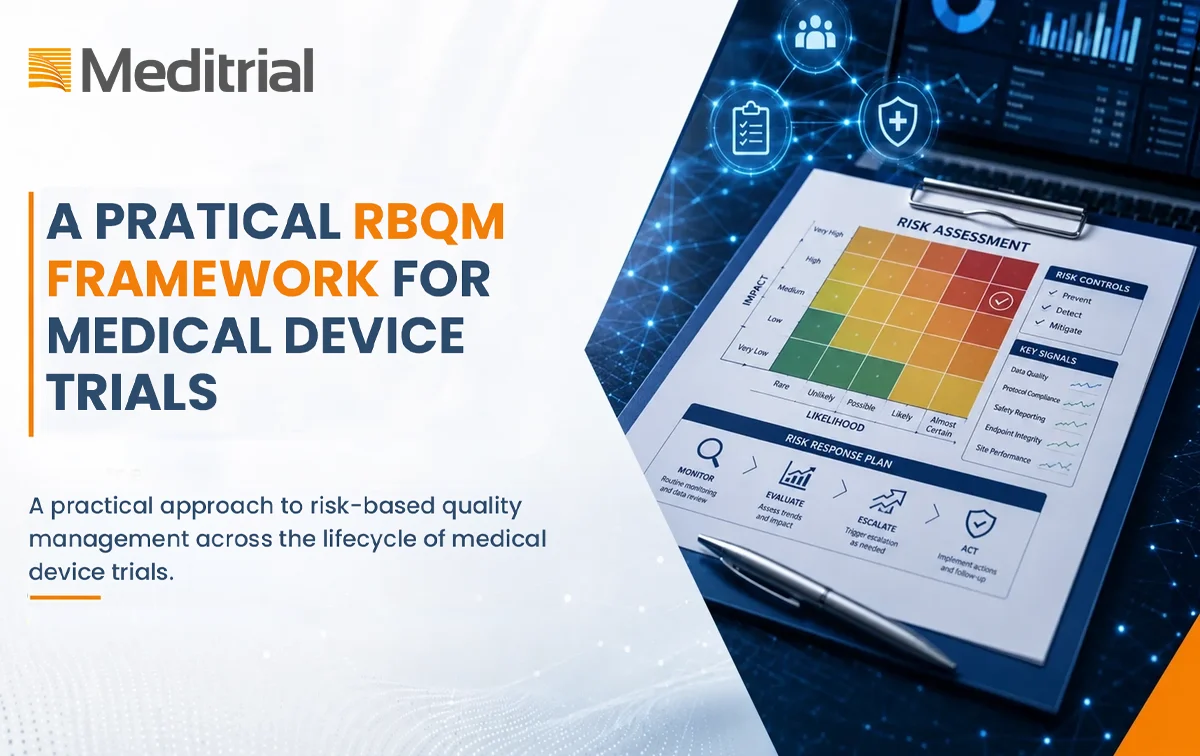
A Practical RBQM Framework for Medical Device Trials
Risk-based quality management for medical device trials, with practical actions for risk assessment, monitoring, data review, and trial oversight
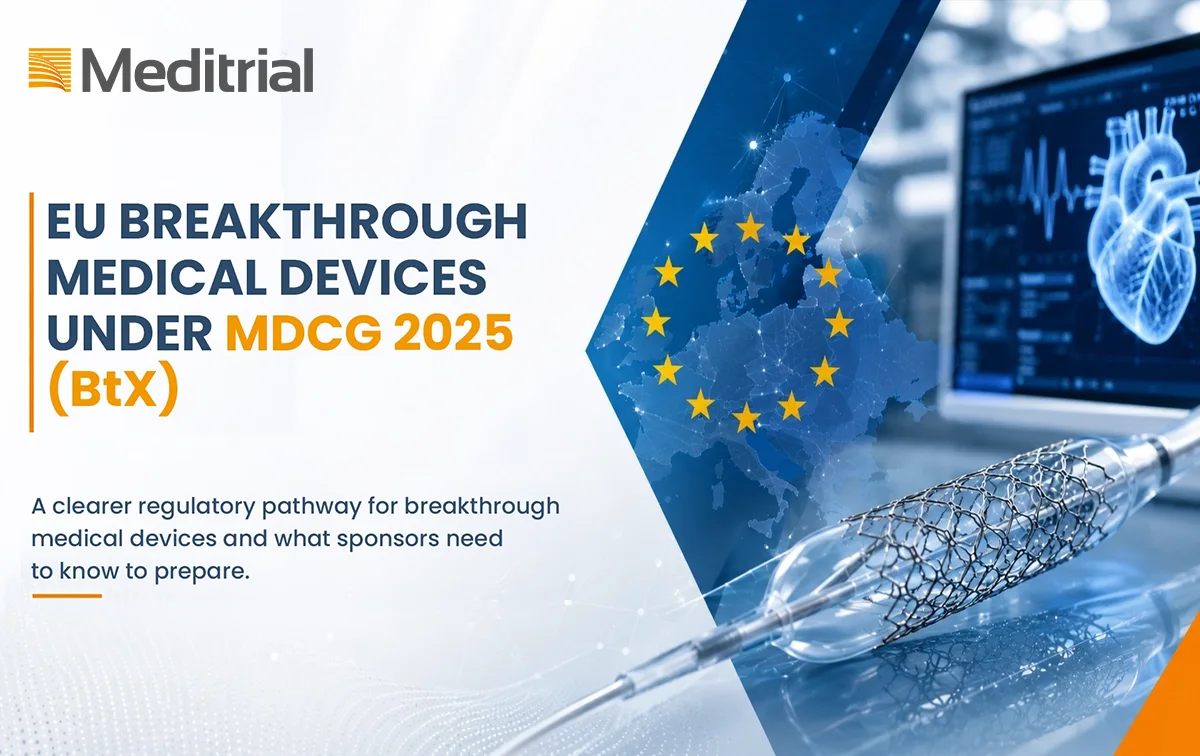
EU Breakthrough Medical Devices Under MDCG 2025-9 (BtX)
EU breakthrough medical devices gain a clearer regulatory pathway under MDCG 2025-9, with early advice and lifecycle evidence planning
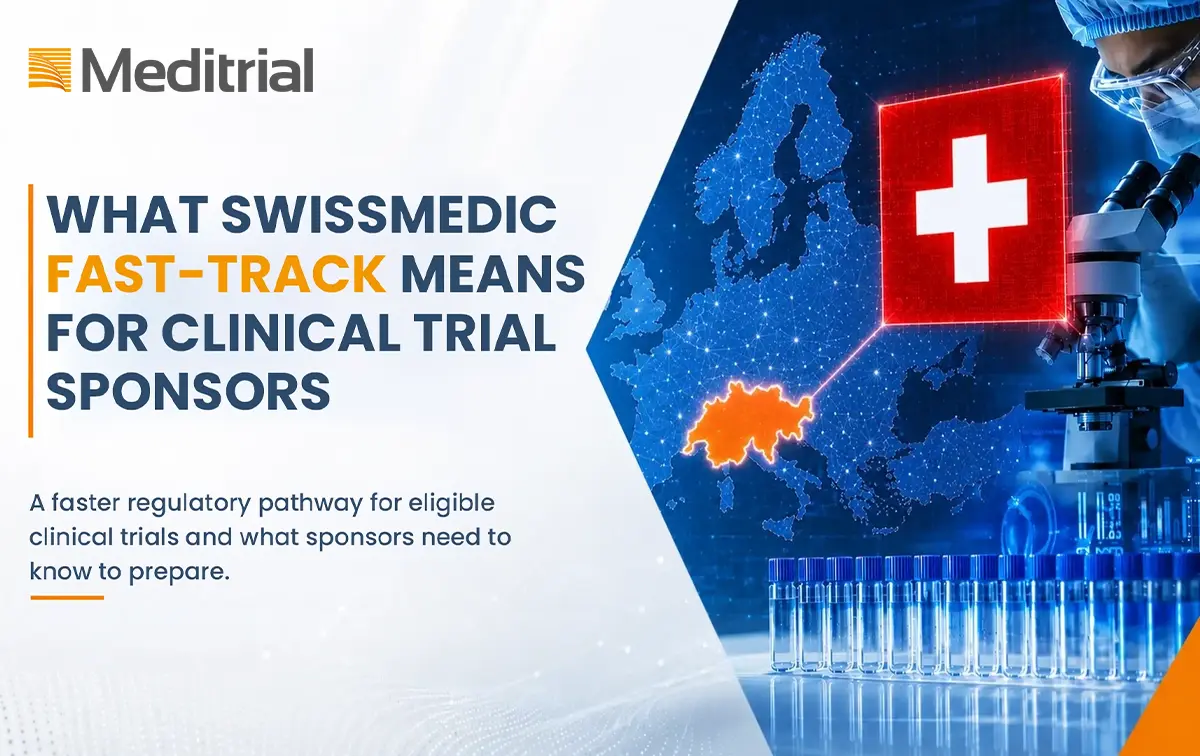
What Swissmedic Fast-Track Means for Clinical Trial Sponsors
Swissmedic swissethics Fast-Track Pilot Project accelerates eligible trial reviews and makes coordinated regulatory preparation increasingly important.
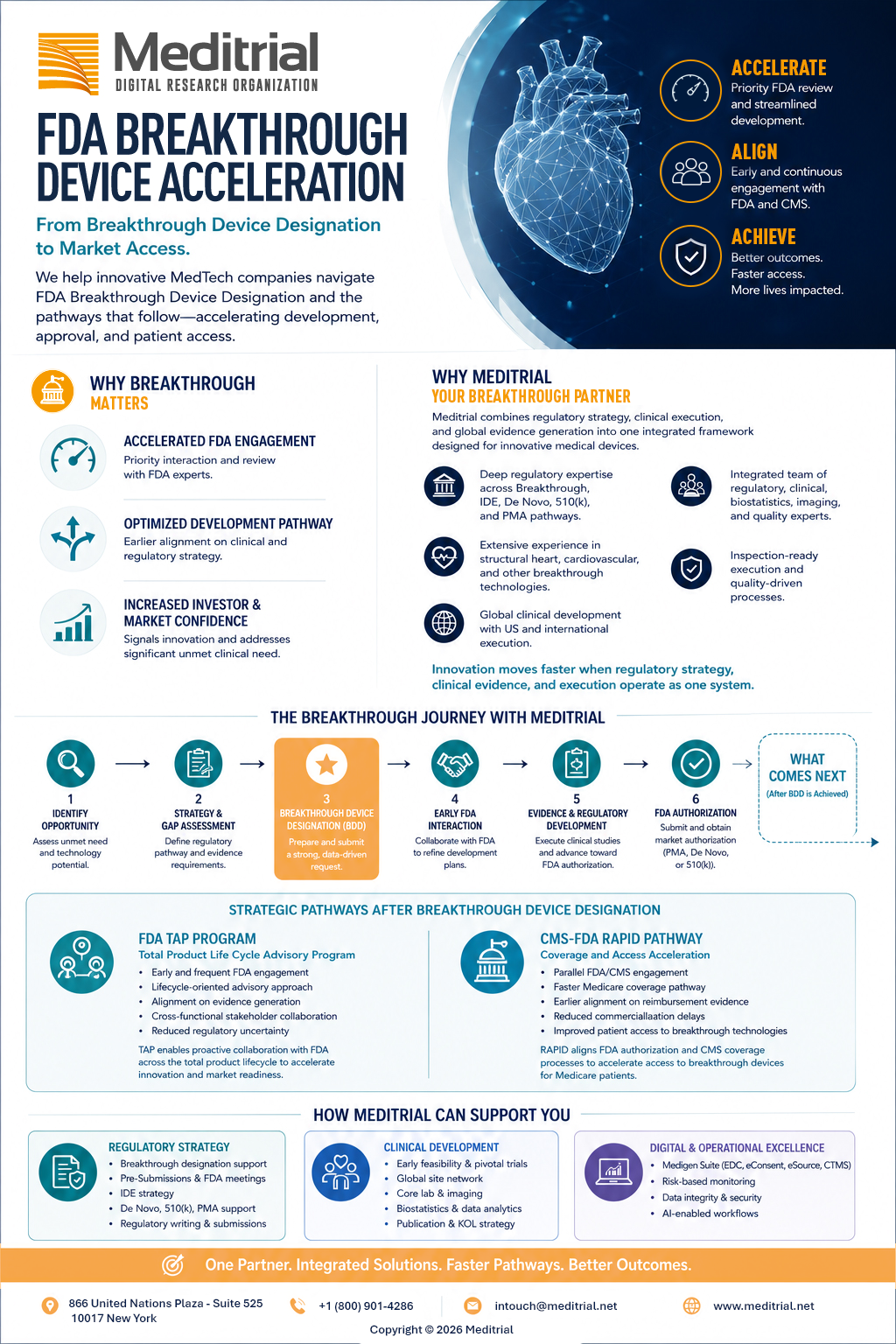
FDA Breakthrough Device Acceleration
How innovative MedTech companies can accelerate FDA approval, secure Medicare coverage, and reach patients faster—starting with Breakthrough Device Designation.

The contribution of patient associations in clinical trials
Historically, patient organizations have had the primary purpose of supporting the communities they represented. Today, this remains a crucial function, but modes have changed, as has the role that associations and patients themselves take on [...]
This article provides general information and does not constitute regulatory or legal advice. Requirements should be confirmed for the specific study, applicable regulatory framework, and markets concerned.